 Pactolalake
Capture the Beauty of Pactola Lake: A Guide to Stunning Fish Photography
By Elliott Valenzuela / / 4 min read
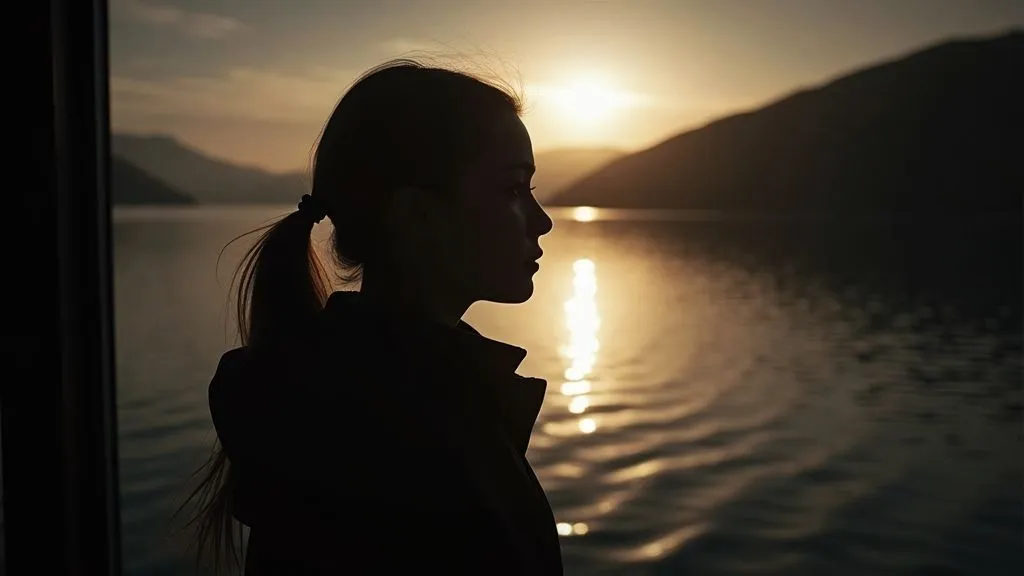
Pactola Lake, nestled in the stunning Black Hills of South Dakota, is not just a haven for adventure lovers and nature enthusiasts; it also serves as a spectacular backdrop for photography, especially for those looking to capture the aquatic life that thrives beneath its serene surface. If you're an aspiring photographer or simply someone who enjoys documenting your travels, fish photography at Pactola Lake can be both rewarding and captivating.
The Allure of Fish Photography
Fishing enthusiasts often enjoy taking pictures of their catches, but there's a whole world of photography dedicated to capturing the beauty and behavior of fish in their natural habitats. Fish photography not only showcases the vibrant colors and unique shapes of different species but also tells a story about the ecosystem. At Pactola Lake, the clear, clean water and diverse aquatic life create an ideal setting for such photography.
Choosing the Right Equipment
To capture the beauty of fish and their surroundings, having the right equipment is vital. You don’t need to invest in the most expensive gear, but certain tools can enhance your ability to take stunning photos.
-
Camera: A DSLR or mirrorless camera will give you the flexibility to adjust settings based on lighting conditions. Compact cameras are also suitable, especially if they have a macro mode.
-
Lenses: A good zoom lens can help you capture close-up shots of fish without disturbing them. A macro lens is fantastic for capturing intricate details up close.
-
Waterproof Housing: If you plan to shoot underwater, it's essential to have waterproof housing for your camera. This allows you to safely submerge your gear while capturing the vibrant life below the surface.
-
Tripod: A sturdy tripod can help stabilize your shots, especially in lower light conditions at dawn or dusk.
-
Filters: Polarizing filters can reduce glare from the water’s surface, allowing for clearer shots of fish swimming just below.
Best Times for Photography
Timing your photo sessions can significantly impact your results. The early morning and late afternoon are often regarded as the best times for photography, as the softer light creates beautiful conditions.
-
Morning: The rising sun casts a gentle light over the water, illuminating fish and their surroundings beautifully. The tranquility of early hours often means fewer boats and people, providing a peaceful environment for photography.
-
Evening: The golden hour before sunset offers warm tones that can enhance the colors of fish and the surrounding landscape. The reflections in the water during this time can also create stunning compositions.
Understanding Fish Behavior
To capture great shots, it's beneficial to understand fish behavior. Different species exhibit unique patterns and habits, which can influence how you approach photographing them.
-
Spawning Season: In spring, many fish species move to shallower waters to spawn. This behavior can provide opportunities to capture them in vibrant colors as they engage in courtship rituals.
-
Feeding Times: Fish are generally more active during dawn and dusk when they are feeding. Knowing their feeding patterns can help you anticipate where to find them and when to take your best shots.
-
Habitats: Familiarize yourself with the specific areas where certain fish species are likely to be found. Rocky outcroppings, submerged logs, and aquatic vegetation can all provide ideal hiding spots for fish.
Techniques for Stunning Shots
Once you’re ready to start shooting, consider incorporating various techniques to improve your fish photography.
-
Focus on Composition: Use the rule of thirds to create visually appealing images. Position your subject off-center to draw the viewer's eye and create a more dynamic photograph.
-
Use Natural Light: Always aim to make the most of natural light. Shooting with the sun behind you can illuminate the fish while reducing glare on the water.
-
Experiment with Angles: Don’t be afraid to change your perspective. Shooting from below the water’s surface can create a dramatic effect, showcasing the fish against the surface light.
-
Be Patient: Fish can be elusive. Spend time quietly observing their movements before trying to snap a picture. Patience often leads to rewarding shots.
Environmental Considerations
While pursuing fish photography, it's crucial to be mindful of the environment. Pactola Lake is home to diverse ecosystems that must be preserved for future generations.
-
Practice Catch and Release: If you catch a fish for a photo, be sure to handle it gently and return it to the water as quickly as possible to minimize stress.
-
Leave No Trace: Always clean up after yourself. Dispose of trash properly and avoid disturbing the natural habitat.
-
Respect Wildlife: Keep a safe distance from wildlife, including fish. Overcrowding their space can lead to stress and disrupt their natural behaviors.
Showcasing Your Work
Once you’ve captured your stunning images, think about how to showcase your work. Whether you’re sharing on social media, creating a personal portfolio, or even considering printing your photos, presentation matters.
-
Social Media: Platforms like Instagram and Facebook are ideal for sharing your fish photography. Use relevant hashtags to connect with other enthusiasts and gain visibility.
-
Photography Competitions: Consider entering photography contests. Many organizations hold competitions specifically for wildlife photography, including fish.
-
Prints and Exhibits: If you have a collection you’re particularly proud of, consider printing your best work for display in your home or even local galleries.